ABCUnites Hygiene Products Manufacturing Co., Ltd - Your Trusted Hygiene Products Supplier For Quality And Comfort

ABCUnites
Hygiene Products Manufacturing Co., LTD

ABCUnites Hygiene Products Manufacturing Co., Ltd is a diversified new enterprise comprising hygiene products, health-care products, import & export, sourcing agents, E-commerce, and new retail. 

We have our brands of "Focus," "AnionDiaper," "GooNDE," "Density," and" Kidlike" with hundreds of specifications products. After 20+ years of development, we own 100 acres of independent production area, 50,000 square meters of workshop, and more than  200 staff, including production, R&D, and sales teams. We now have many advanced automatic machines with 500 million RMB annual production capacity. We are considered to be one of the top Hygiene Products suppliers. We established our central policy to develop a Self-owned Brand & OEM service together. By using the advantage of technology, we built excellent self-owned brands. We entered the international market, striving to build a global sales network and win-win cooperation relationships.

Services

Innovation

High Quality Disposable Hygiene Product

Quickly Response and Professional Team

Quality Guarantee

Order Process

  • 10 sales staff with more than 5 years of production experience, 24 hours to provide consulting services for you.
  • Professional merchandiser with more than 10 years of production experience who carefully reviews orders and provides them to customers efficiently.
  • Professional designers with 8 years design experience will provide the best design solutions within 7-10 days
  • The purchasing and production departments are staffed by professionals with more than 15 years of experience in providing high quality products to customers
  • We work closely with federal, DHL, TNT and other companies to provide efficient servce to our custom

Factory Show

FAQ

We are both a supplier and manufacturer of booster pads, ensuring top-quality products at competitive prices. With our in-house manufacturing facilities and a strong distribution network, we offer reliable supply and maintain strict quality control.

If you like a product and want to know more about it, you can refer to the specific product page on our website. There, you will find detailed information, including product features, specifications, and images. This will give you a comprehensive understanding of the product before making a purchase decision.

To place an order for a specific product, simply click on the "Inquire Now" button on the product page. Fill out the inquiry form with your contact details, quantity needed, and any additional requirements. Our team will review your inquiry and get in touch with you promptly to discuss the order details.

Yes, we provide samples of our products. For detailed information regarding sample availability, pricing, and shipping, kindly contact our customer support team. They will assist you with any inquiries and provide the necessary details for sample requests.

We offer various payment methods to make your shopping experience convenient. Our customer support team will guide you through the payment process and provide you with all the necessary details to complete your transaction smoothly.

Brand Story

Brand is the image of the enterprise, quality is the foundation of the brand. Quality is the benefit guarantee of enterprise and the power source of enterprise development. We are committed to the development and consolidation of our own disposable sanitary products brand, enhance the core competitiveness of enterprises.

Oct 7,2026

How to Buy Cotton tampons in Bulk?

Highlights ·         Bulk tampon buyers should check the absorbency range, applicator type, and tampon material. ·         FDA registration and ISO 13485 certification demonstrate manufacturing safety standards. ·         Wholesale tampon orders for MOQ generally range from 5,000 to 20,000 units. ·         Sample testing and shelf-life documentation help avoid costly reorders and compliance issues. Retailers, distributors, and institutions must buy tampons in bulk for resale and programs. Each volume ordered results in a much discounted unit price for large purchase orders. However, it also increases the chances of uneven quality in a massive order from a new supplier. This guide details what to verify before placing a bulk tampon order, from certification to the latest shipping documentation. Why Bulk Buying Requires Extra Diligence For a retail shopper, just one faulty box is a minor inconvenience. A pallet full of bad components is a critical business issue that affects hundreds of customers. A quality or compliance issue with bulk orders will impact the whole batch order. Most markets also have specific regulations for feminine hygiene products. Some countries consider tampons to be medical goods rather than consumer goods, increasing the level of compliance. This means that buyers must have more than the normal wholesale packaging documentation for generic items. Consistency is as important as the first-time quality of the product. Retailers and institutions rely on predictable restocking cycles to have their products out on the shelves. Shortages by a supplier have a negative effect on shelf availability, customer trust, and longer-term revenue planning. Step 1: Understand Absorbency Types and Product Range Tampons have different levels of absorbency ranging from light to super-plus; each level is appropriate for a different flow. Bulk buyers must make sure that the supplier can offer the full absorbency range before ordering. Most retailers will require a combination of all the absorbency levels for a wide range of customer types. Absorbency is based on the proven amount of fluid a product absorbs, measured using widely standardized industry testing procedures. The absorbency of a tampon is usually 6 grams or less. The super-plus absorbency can absorb 15 grams or more, suitable for heavier flow days. Applicator vs Non-Applicator Options Applicator tampons are inserted with the use of plastic or cardboard applicators. Non-applicator tampons, by contrast, are kept folded and compact. Market demand is different by region, so choose which format is the most successful for you. Discuss applicator material options in particular with suppliers. Cardboard applicators have shown appeal to the eco-conscious retail segments. Plastic applicators are still widely used in the mainstream retail distribution chain. Step 2: Verify Material Composition and Safety Standards The composition of materials is important to safety and marketing claims. Buyers who want to purchase organic or natural products prefer cotton tampons. Rayon-blend tampons continue to be the most popular and affordable choice.  Request a detailed list of ingredients when placing an order. This includes any bleaching process that has been conducted, string composition, and the core. A significant number of retail markets are responsive to TCF (or ECF), indicating chlorine-free bleaching. Checking for Fragrance-Free and Hypoallergenic Options Fragrance-free product lines are requested by many buyers for sensitive customers. Find out if the supplier has a scented option and an unscented option. This flexibility allows the retailers to cater to a larger customer base. In most markets, supporting documentation is necessary for hypoallergenic claims. Request allergen test data from suppliers to prove the reduced allergen risk. This ensures liability protection and correct product labeling. Which Certifications are a Tampon Supplier to be Aware of? Certifications ensure a supplier's safety and manufacturing requirements. Tampons sold in the United States must be FDA registered. Suppliers respond with their FDA establishment registration ID when requested. An ISO 13485 certified system is a quality management system dedicated to medical devices. This certification is applicable to regular production standards for each batch. Request any current certification documents prior to the purchase of a bulk order. Understanding TSS Warning Label Requirements Warning labels for Toxic Shock Syndrome (TSS) are legally enforced in many countries. Ensure that the supplier uses warning language that is compliant. Any labeling that is missing or incorrect will subject the shipment to customs rejection. Inquire regarding absorbency labeling requirements as well. There are some regions that demand universal absorbency specifications for all brands. This enables the consumer to make consistent comparisons amongst different suppliers. Considering Packaging and Branding Costs Private Label Packaging is extra to the base price of the product. The usual cost of such custom box printing is $0.02 - $0.05 per unit. Simple sticker branding is cheaper than having box printing done full-custom. Request multiple tiers of pricing at different quantities. Higher quantities save 10% to 25% compared to many suppliers. This will allow buyers to spread costs over a longer period. Production Capacity and Lead Times Assessment More production capacity results in faster delivery of large orders. The established manufacturers produce millions of units in a month, in a wide variety of products. Orders less than 50,000 units may still be a challenge for smaller manufacturers. Typical delivery time with bulk orders is 20-40 days. Private label/business branding or custom packaging can provide a 10-15 day increase in lead time. Verify the lead times in writing prior to issuing a purchase order. Planning Around Seasonal Demand Retail sales volumes may vary during the school and holiday seasons. If there is excess demand, then make big orders 6 to 8 weeks in advance. This avoids rush fees and potential stock shortages. Contact suppliers to learn about their capacity over specific times of the year. Some manufacturers provide priority production solutions for repeat wholesale clients. This helps to safeguard your supply chain during high-demand periods. Step 3: Confirm Shelf Life and Storage Requirements Most of the tampons have an expiration date of 3-5 years after the manufacture date. Check the manufacture date on all bulk shipments before delivery. Stock close to expiry makes it almost impossible to appropriately resell. Inquire about storage requirements for bulk goods. Maintain product integrity with cool, dry storage out of direct sunlight. High moisture or humidity can compromise packaging over time and affect the product's presentation. Inspecting Batch and Lot Records Get batch numbers and dates of manufacture for each bulk shipment. This documentation is then helpful to trace if the quality becomes an issue later. It also makes first-in, first-out inventory rotation easier. Check the batch documentation with the physical packaging received. Different batch numbers can mean repackaged or diverted product. Be sure to check before accepting a big shipment. Requesting Samples Before Bulk Commitment Sample requests expose quality issues BEFORE they scale up in an entire order. Samples are typically available in 7-14 days with most suppliers. Be prepared for a sample fee that may be refunded for a future bulk purchase. Check for string strength, applicator smoothness, and sealing quality of the packaging. If possible, test absorbency claims against respective gram amounts. Minor variations in one sample often recur across thousands of samples. Ensure Supplier Reliability over the Long-Term Request references from other distribution or retail buyers. A good supplier will not hesitate to provide client examples. Reluctance to provide references often indicates poor production records or pending disputes. Ask the supplier about its experience in the feminine hygiene industry. Suppliers around for at least 10 years tend to be more consistent. The newer manufacturers can be good but have increased first-order risk. Step 4: Review Shipping, Packaging, and Import Requirements Bulk tampons need a protective packaging solution that is safe, moisture-proof, and keeps the tampons secure during shipping. Confirm the supplier uses sealed inner packaging and outer packaging suitable for long-distance shipping. This allows transport, including ocean freight, without compromise. Inquire about any import documentation that is necessary for your destination country. Customs documentation for medical devices may be more extensive than a commercial invoice. Without proper documentation, shipments can be delayed at the port or held up in customs. Choosing Between Sea and Air Freight Large bulk orders are still most cost-effectively done by sea. The time is usually 20-40 days depending on the source and destination. International air freight is much more expensive but delivers cargo within 10 days or less. Verify that shipping insurance protection is included for the order total. Uninsured bulk shipments have actual monetary exposure to loss or damage. This coverage is small compared to the benefits it offers. Mistakes buyers may make when sourcing in bulk. ·         Relying on the most affordable quote without confirming certifications leads to many compliance issues for bulk buyers. Products may be sent by unregistered or uncertified suppliers that are not acceptable for importation at the border. Where large items are being shipped, always request to see FDA registration and ISO certification. ·         The biggest loss for any bulk buyer in any category is to skip the sample stage. Usually, problems with absorbency, string, or packing are ignored until the entire order reaches your warehouse. A minor sample order serves as a way to avoid unnecessary reorders and to not harm the retail relationship in the long run. ·         Not documenting shelf life also poses resale issues in the future. Limited shelf life causes a narrow distribution window and the added risk of markdown. When you receive any large consignment, check the manufacture date before accepting it. ·         Failure to accurately estimate lead times may result in stock outages during peak retail periods. Rush orders can cost more and have poor quality control by the manufacturer. If you plan purchases before peak demand periods, you won't suffer from either of these problems. Conclusion Buying tampons in bulk is more than comparing the price per item across a few quotes. Over time, certifications and documentation of material composition and shelf life ensure compliance with regulations and build customer trust. Retailers and distributors can rely on a consistent supplier, backed by samples, information, and references, and known for a strong track record. FAQS Where to find wholesale tampons for a retail resale business? Search for suppliers that provide FDA registration documents, sample unit documentation, and tiered bulk pricing documents. What's the common minimum order quantity for private label tampons?  Most manufacturers will only supply the number of units specified in the private label bulk order; typically between 5,000 and 20,000 units. Who's a reliable bulk tampons supplier with customized box packaging?  Look for manufacturers with ISO 13485 certification, private-label products, and proven manufacturing experience. What is the cost of wholesale tampons per unit?  Tampons sold at standard retail stores cost $0.03 to $0.08 per tampon when they're ordered in bulk. Can I purchase bulk pricing and organic cotton material in the same order?  Yes, many suppliers stock organic cotton lines, with a 30-60% price premium for bulk.

Apr 7,2026

Global Baby Diaper Market Size, Growth, Trends & Forecast

The global baby diaper market represents one of the most stable and recurring demand-driven industries within the broader hygiene and personal care sector. Unlike discretionary consumer goods, baby diapers are essential, non-cyclical products that generate continuous purchasing behavior, making the market highly resilient even during economic downturns. Over the past decade, the industry has undergone a transformation fueled by demographic expansion, urbanization, product innovation, and digital retail evolution. While historically driven by population growth, the modern diaper market is increasingly influenced by premiumization, sustainability concerns, and convenience-based consumption patterns. As of 2026, the global baby diaper market is valued at approximately USD 66.9 billion, with projections indicating growth to USD 122.1 billion by 2036, reflecting a compound annual growth rate (CAGR) of around 6.2%. Global Market Size & Long-Term Forecast The projected expansion of the baby diaper market highlights a combination of volume growth in emerging economies and value growth in developed regions. Table 1: Global Baby Diaper Market Forecast (2026–2036) Year Market Size (USD Billion) Key Growth Phase 2026 66.9 Baseline 2027 70.8 Early Expansion 2028 75.5 Demand Acceleration 2030 85.2 Market Consolidation 2032 97.8 Premium Growth Phase 2034 110.5 Advanced Market Maturity 2036 122.1 Stabilized Expansion   Key Interpretation The market is expected to nearly double over a 10-year horizon, which is significant for a mature consumer category. Growth is not purely volume-driven — a substantial portion comes from higher-value products, including eco-friendly and performance-enhanced diapers. The steady CAGR reflects predictable demand cycles, unlike volatile industries. Core Market Drivers: What Is Fueling Growth? 1. Demographic Expansion in Emerging Markets Population growth remains the primary structural driver of diaper demand. Regions such as South Asia, Africa, and parts of Southeast Asia continue to report high birth rates, contributing to consistent demand expansion. Large infant populations = continuous consumption cycles Expanding urban populations = higher adoption of disposable products 2. Urbanization and Changing Lifestyles Urban living significantly impacts diaper usage patterns: Increased participation of women in the workforce Time constraints leading to preference for disposable products Reduced reliance on traditional cloth diapering methods Urban households prioritize convenience, hygiene, and time-saving solutions, directly boosting disposable diaper penetration. 3. Rising Disposable Income and Middle-Class Expansion Economic growth in developing countries has led to: Higher spending on infant care products Transition from low-cost alternatives to premium solutions Increased willingness to pay for quality, comfort, and safety This shift is especially visible in tier-2 and tier-3 cities where modern retail infrastructure is expanding. 4. Increasing Health & Hygiene Awareness Modern parents are more informed about: Skin sensitivity and rash prevention Absorption efficiency and dryness Chemical-free and hypoallergenic materials This awareness is pushing manufacturers to invest in advanced product features, contributing to higher average selling prices. Market Segmentation: Detailed Breakdown By Product Type The baby diaper market is segmented into disposable, cloth, training, and biodegradable categories. Table 2: Product Type Segmentation Product Type Market Share (%) Growth Trend Key Characteristics Disposable Diapers 61–62% Stable High convenience, dominant segment Cloth Diapers <10% Fast Growing Reusable, cost-efficient Training Pants 15–18% Moderate Designed for toddlers Biodegradable Diapers Emerging High Growth Eco-friendly materials Analysis Disposable diapers dominate due to convenience and widespread availability. Cloth diapers are gaining traction among eco-conscious and cost-sensitive consumers. Biodegradable diapers represent a high-growth niche segment, driven by sustainability trends. By Age Group Table 3: Age-Based Segmentation Age Group Market Share (%) Demand Drivers Newborn (0–3 months) 15–20% High sensitivity needs Infant (3–12 months) 35–40% Frequent diaper changes Toddler (12+ months) 40–45% Mobility and training Analysis Infants and toddlers account for the majority of consumption due to higher usage frequency. Product differentiation increases with age, including features like flexibility and leakage protection. By Distribution Channel Table 4: Distribution Channels Channel Type Market Share (%) Growth Outlook Supermarkets/Hypermarkets ~35.9% Dominant Pharmacies Moderate Stable Online Retail Fastest Growing High CAGR Specialty Stores Niche Moderate Analysis Offline retail remains dominant due to bulk purchasing behavior. Online channels are expanding rapidly due to: Subscription models Convenience and price comparison Access to niche products Regional Market Analysis Table 5: Regional Market Share & Growth Region Market Share (%) Growth Rate Market Characteristics Asia-Pacific 35–36% High Large population, rising adoption North America 25–26% Moderate Mature, premium-focused Europe 20–22% Stable Eco-driven demand Latin America 8–10% Emerging Urban growth Middle East & Africa <10% High Potential Untapped markets Asia-Pacific: Growth Engine of the Market Largest contributor to global demand Rapid urbanization and income growth Expanding retail and e-commerce networks Despite strong growth, rural areas still show partial reliance on traditional alternatives, indicating future growth potential. North America & Europe: Mature but Profitable Markets These regions are characterized by: High market penetration Strong demand for premium products Increasing focus on sustainability Growth here is driven more by value innovation than volume expansion. Emerging Markets: Untapped Opportunities Latin America, the Middle East, and Africa offer: High birth rates Expanding urban populations Increasing access to retail and online channels These regions represent long-term growth opportunities for manufacturers. Competitive Landscape: Market Structure The industry is characterized by a mix of large-scale manufacturers and regional players. Table 6: Market Structure Category Market Share (%) Leading Manufacturers 55–60% Private Labels Up to 20% Regional Players 20–25% Analysis Large players dominate through scale, innovation, and distribution Private labels compete on pricing in developed markets Regional players capture localized demand in emerging economies Industry Trends & Innovation 1. Sustainability & Eco-Friendly Products Environmental concerns are reshaping product development: Reduced plastic usage Biodegradable materials Eco-certified manufacturing processes Table 7: Sustainability Impact Factor Impact Level Consumer Demand High Regulatory Pressure Increasing Innovation Investment High 2. Smart Diaper Technology Emerging innovations include: Moisture detection sensors Mobile-connected alerts Health monitoring features Though niche, this segment represents future premium market potential. 3. Direct-to-Consumer (D2C) Growth The rise of digital commerce has introduced: Subscription-based models Personalized purchasing experiences Stronger customer retention strategies Environmental & Regulatory Considerations Disposable diapers present significant environmental challenges due to: Long decomposition cycles High landfill contribution Table 8: Environmental Factors Factor Impact Waste Generation High Recycling Infrastructure Limited Regulatory Pressure Increasing Governments and organizations are encouraging: Recycling initiatives Sustainable product design Reduced environmental impact Market Challenges 1. Affordability Constraints High cost limits adoption in low-income markets Continued reliance on reusable alternatives 2. Raw Material Price Volatility Fluctuating costs of pulp and polymers Pressure on manufacturing margins 3. Market Saturation Limited growth in developed markets Shift toward premiumization 4. Supply Chain Risks Disruptions affecting production and distribution Increased focus on localized manufacturing Future Outlook: What Lies Ahead? The baby diaper market is expected to remain robust and steadily expanding over the next decade. Table 9: Future Growth Drivers Growth Driver Impact Level Emerging Market Demand Very High Premiumization High Sustainability Trends High E-commerce Expansion High Key Forecast Insights Market to exceed USD 120 billion by 2036 Growth driven by both volume and value expansion Increasing importance of sustainability and innovation Conclusion The global baby diaper market stands as a high-growth, resilient, and evolving industry driven by demographic consistency and changing consumer expectations. While traditional disposable diapers continue to dominate, the future of the market lies in innovation, sustainability, and digital transformation. Emerging economies will remain the backbone of volume growth, while developed regions will drive premium and eco-friendly product demand. Despite challenges such as cost pressures and environmental concerns, the industry is well-positioned for long-term expansion. As the market moves toward 2036, companies that can balance affordability, innovation, and sustainability will be best positioned to capture the next wave of growth.

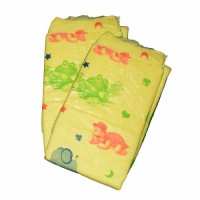
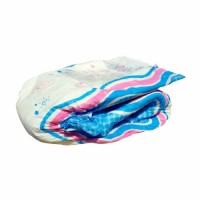
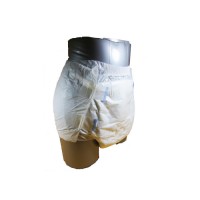
High-Quality Adult Diapers

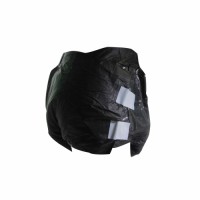
ABC Unites is the leading brand of high-quality adult diapers. Designed for adults who suffer from incontinence can benefit from our adult care diapers and incontinence pads. We have a large production capacity. You can get our products in bulk quantities at cheap and reasonable wholesale prices. Our Quality control unit works tirelessly to achieve the best possible performance for our adult diapers and other incontinence products.

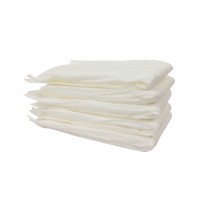
Advanced Comfort Sanitary Napkin

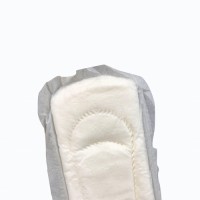
We are the top brand of comfortable sanitary napkins and other feminine care products. Our Sanitary napkins are manufactured with precision and strict quality control measures. We ensure the best value products for our customers. You can get our Sanitary napkins and menstruation pads in bulk at reasonable wholesale rates.

Exceptional Quality Baby Wipes

Our Chemical-free baby wipes are considered one of the best in the wholesale market. We ensure proper lab testing to ensure that our wipes are free from irritating chemicals and are skin-friendly to your loved ones. We also provide materials that are comfortable during the manufacturing process. Get Wholesale Discounted Prices on exceptional baby wipes by contacting us. 

Raw Materials for Manufacturers

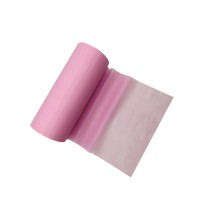
Get High-quality raw materials like spun-bond nonwoven fabric rolls at the lowest wholesale market prices. Our raw materials are available in bulk quantities with different specifications. We charge the lowest prices that differentiate us from our competitors. We never compromise on the quality of our raw materials. Contact us today!